
22 November 2025
Dartmoor ponies roaming the hills of west Cornwall are getting a tech upgrade.
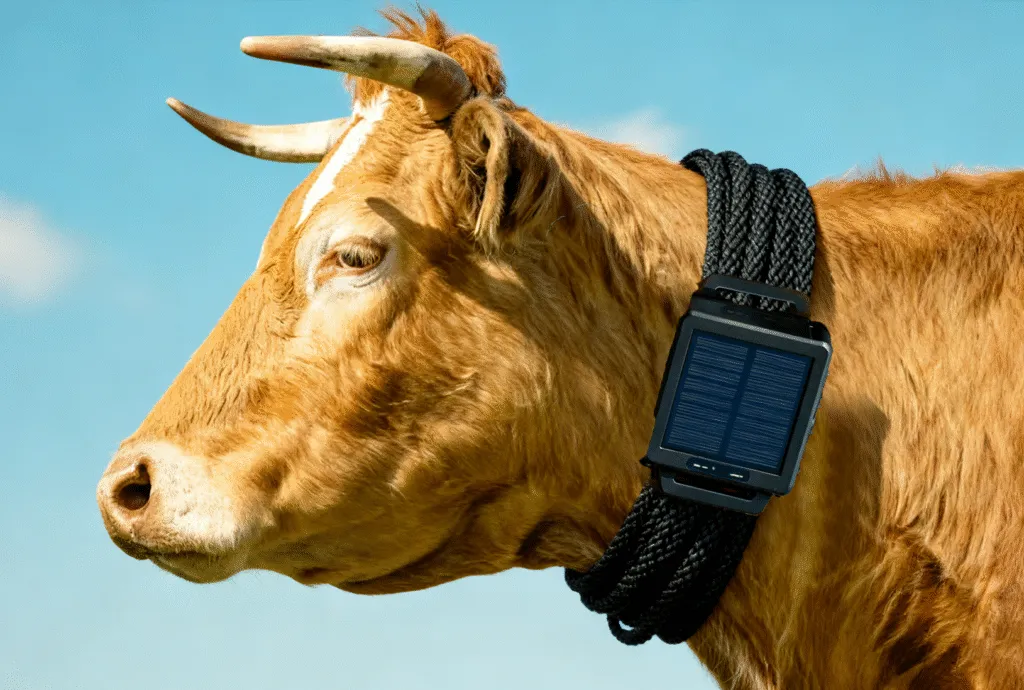
The National Trust has started fitting GPS [global positioning system] collars to some of its ponies to make sure they can be tracked across the 1,482 acres (600 hectares) of land they help manage.
Ash Pearson, countryside manager for the National Trust in west Cornwall, said the move was vital for conservation.
“We’ve got over 30 ponies, but we only tag the lead animals in each herd. If we know where they are, we know where most of the ponies are,” he said.
Jonathan Morris
South West
The collars, which sit around the ponies’ necks, send location data to a phone or computer.They were designed to release easily so the animals did not get caught on rocks or scrub, the trust said, although it sometimes meant staff ended up tracking a collar instead of a pony.Mr Pearson said the ponies were key to keeping Cornwall’s landscape open and full of life.
- “If we didn’t have grazing animals, the land would close in with bramble and scrub,” he said.
- “We want a mix of habitats, grassland with wildflowers alongside bracken and scrub and ponies help create that.”
- Most of the trust’s land is grazed, split roughly half and half between ponies and cattle.
The ponies graze in rotation, moving from site to site once they have done their job.
“They trample bracken, nibble new shoots, and keep grasses short so wildflowers can bloom. That supports pollinators and the whole food chain,” Mr Pearson added.
Three Key Benefits of Using Trackers to Prevent Cattle and Sheep Loss
- Real-time Location Tracking for Quick Recovery
- Geo-fence Alerts for More Efficient Farm Management
- Behavior Monitoring to Detect Health or Risk Issues Early