
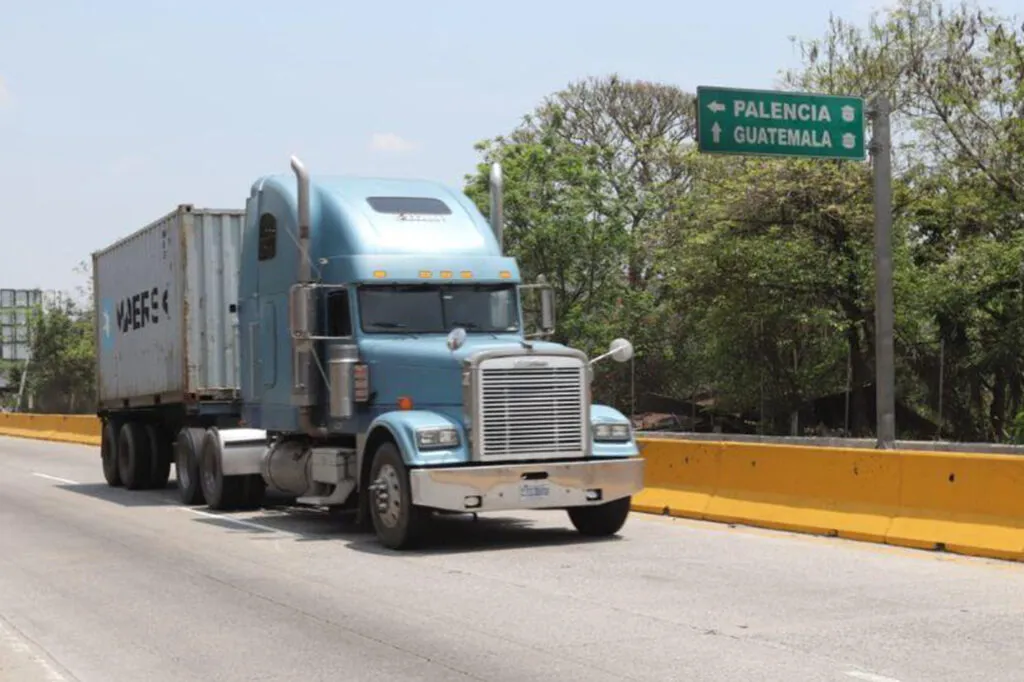
Guatemala has been strengthening its road safety regulations in response to frequent traffic accidents involving public transport and heavy vehicles. Overspeeding, particularly among long-distance buses and cargo trucks, has been identified as one of the leading causes of fatal incidents.
To address this issue, the government has introduced requirements for speed control in commercial transport. Public buses, intercity coaches, and heavy-duty vehicles are expected to operate under stricter speed limitations, typically around 80 km/h, significantly lower than the limits for private vehicles.
Ash Pearson, countryside manager for the National Trust in west Cornwall, said the move was vital for conservation.
Unlike traditional enforcement methods, speed limiter devices provide a more consistent solution by automatically restricting acceleration once a preset speed is reached. This reduces reliance on driver behavior and helps maintain safer driving conditions across fleets.
The market in Guatemala is already showing clear signs of adoption. Thousands of commercial vehicles have reportedly been equipped with speed limitation systems, reflecting both regulatory pressure and increasing awareness among transport operators.
At the same time, enforcement continues to evolve. Authorities are placing greater emphasis on compliance, with potential penalties for non-compliant vehicles including fines and operational restrictions. This is gradually pushing fleet owners to upgrade or install certified speed control devices.
For businesses in the transport and logistics sector, this trend signals more than just regulatory compliance. It highlights a broader shift toward safer and more controlled fleet operations. As requirements become clearer and enforcement tightens, reliable and compliant speed limiter solutions are expected to play an increasingly important role in the Guatemalan market.